1. What Is a Hammar Side Loader Trailer and How Does It Work?
2. Hammar 195S vs. Hammar 110: Which Side Loader Suits Your Needs?
3. Hammar Side Loader Price: What Factors Affect the Cost?
4. Hammar Sideloader for Sale: Key Features and Applications
5. How to Choose a Hammar Container Side Loader for Your Business
A Hammar side loader trailer can be a practical solution for businesses in Guyana that need to lift, transport, and position shipping containers without depending entirely on fixed container-handling equipment. For importers, logistics companies, construction contractors, mining operators, and container transport providers, selecting the right side loader involves evaluating lifting requirements, container sizes, operating conditions, transport routes, and total ownership costs.
Guyana's developing infrastructure, expanding commercial activity, and demand for reliable freight transportation create opportunities for businesses that handle containers across ports, warehouses, construction sites, and industrial locations. A suitable container side loader can help companies move containers between these locations while reducing the need for separate lifting equipment at every delivery point.
When searching for a Hammar sideloader for sale in Guyana, buyers should look beyond the equipment name and advertised price. The correct solution depends on the required lifting capacity, container dimensions, hydraulic system, chassis configuration, maintenance arrangements, and availability of technical support. Hammar 195S and Hammar 110 are two model names that buyers may encounter when researching Hammar equipment, but their suitability must be assessed using the specifications of the particular machine being offered.
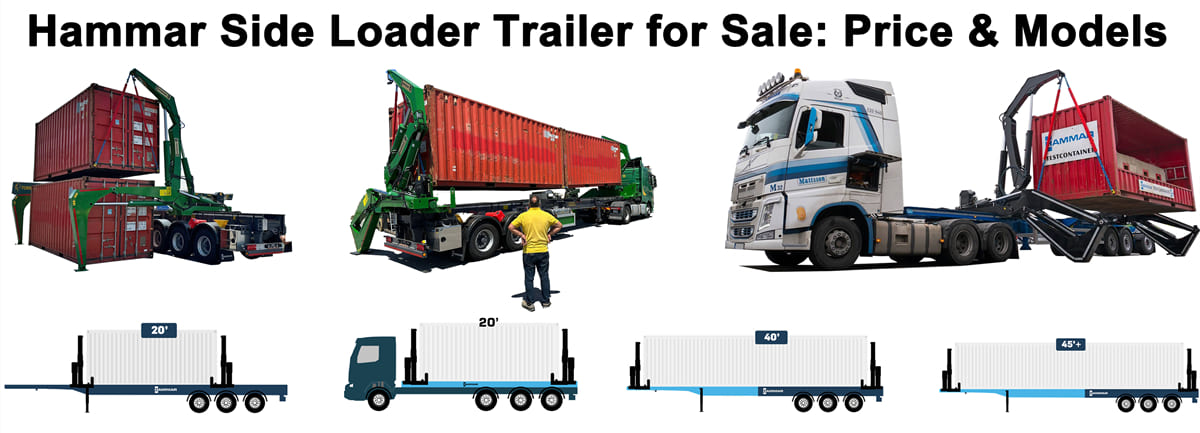 Hammar Side Loader Trailer for Sale: Price & Models
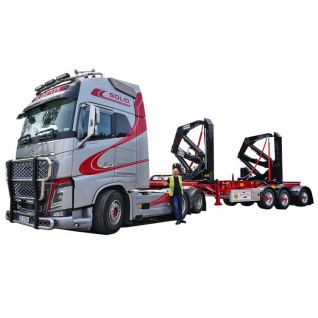
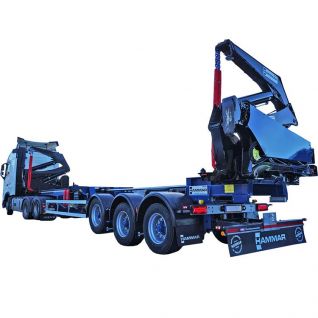
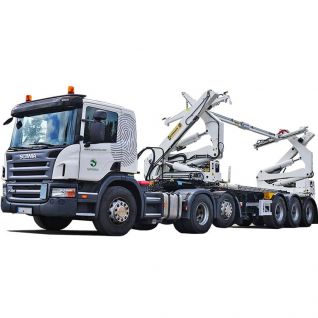
A Hammar side loader trailer is a container-handling solution designed to lift and lower shipping containers from the side, allowing a suitably configured vehicle to load or unload containers without requiring a conventional crane at every operating location. For Guyana businesses handling containers between ports, depots, warehouses, and project sites, this capability can improve operational flexibility when the equipment is correctly matched to the container and working environment.
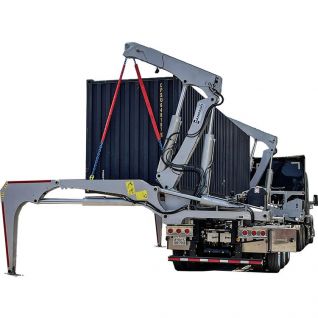
A side loader, also known as a sidelifter or side lifter, typically uses hydraulic lifting equipment mounted on a specialized trailer or vehicle chassis. Depending on the configuration, lifting arms or similar mechanisms engage the container's designated lifting points, raise it from the ground or a compatible platform, and position it for transportation. The equipment then lowers the container at the destination, following the manufacturer's operating procedures and site safety requirements.
Unlike a standard flatbed trailer, a Hammar side loader trailer integrates a container-handling mechanism into the transport equipment. This means the vehicle can potentially complete both the lifting operation and the road transportation stage, reducing dependence on separately arranged handling machinery. The exact operating sequence, lifting arrangement, and supported container configurations depend on the specific model.
How Does a Container Side Loader Operate?
A typical container side loader operation begins with the driver positioning the vehicle on suitable ground beside the container. The operator checks the working area, confirms that the equipment is configured for the intended lift, and verifies that the container and load fall within the manufacturer's approved operating limits.
The lifting equipment is then positioned and connected to the appropriate container lifting points. Once the operator has confirmed that the lifting system is correctly engaged, the hydraulic mechanism raises the container in a controlled manner. The container is transferred onto the trailer's designated support points and secured for transportation.
At the destination, the operator follows the approved unloading sequence, ensuring that the ground is suitable and that the container can be lowered safely. The lifting equipment releases the container only after it is properly supported and the relevant safety checks have been completed.
These operations require trained personnel. Ground conditions, container weight distribution, lifting geometry, overhead obstructions, wind, and the equipment's permitted operating envelope can all affect lifting safety. A side loader should never be treated as a universal lifting machine that can handle every container or site condition.
Why Is a Hammar Sidelifter Useful in Guyana?
Guyana's container transport requirements can vary significantly between established logistics facilities and remote commercial or project locations. A port or container depot may have access to specialized handling equipment, while a construction site or temporary storage area may not have a suitable crane available whenever a container arrives.
A Hammar sidelifter can help bridge this gap by combining transportation with container handling. Businesses can evaluate whether one properly equipped vehicle can serve multiple delivery points, reducing coordination between the transport provider and separate lifting contractors.
For importers receiving machinery, construction materials, packaged goods, or other containerized cargo, a side loader may simplify deliveries where suitable unloading equipment is otherwise difficult to arrange. Logistics operators may also consider side loaders for container repositioning, depot transfers, and selected delivery services.
However, suitability depends on the actual route and destination. Narrow access roads, soft ground, uneven surfaces, overhead power lines, limited working space, and local road restrictions may affect whether a particular side loader can operate safely and efficiently. A site assessment is therefore important before purchasing equipment for use in Guyana.
Side Loader Trailer vs. Standard Container Trailer
A standard container chassis is generally designed to transport containers that are loaded and unloaded using separate handling equipment. A side loader incorporates a specialized lifting system, potentially allowing the vehicle to perform container placement and collection at locations without a conventional crane.
The main difference is not simply the trailer's appearance or purchase price. It is the operational role the equipment is expected to perform. Businesses that already have dependable crane access may find a conventional chassis sufficient, while companies regularly delivering containers to locations without handling equipment may benefit from a side loader.
For Guyana businesses, the best choice depends on the entire container-handling process. If the main difficulty is moving containers from one established terminal to another, a conventional chassis may meet the requirement. If the business needs to place containers directly at warehouses, project sites, or customer premises, a side loader deserves closer evaluation.
What Should Buyers Check Before Using a Side Loader?
Before purchasing a Hammar container side loader, buyers should confirm that the intended container types, container weights, lifting conditions, and transport configuration are supported by the specific equipment. Container dimensions alone do not establish that a lift is safe. The actual gross weight, weight distribution, lifting-point condition, and approved operating limits must also be considered.
Buyers should request the equipment's technical documentation, operating instructions, maintenance requirements, and applicable inspection records. For used equipment, the condition of the lifting mechanism, hydraulic components, structural members, controls, and safety systems deserves particular attention.
For operations in Guyana, it is also important to assess the availability of qualified operators, suitable maintenance facilities, replacement components, and technical assistance. A machine that performs well under ideal conditions may become costly if essential repairs require long delays or complicated parts procurement.
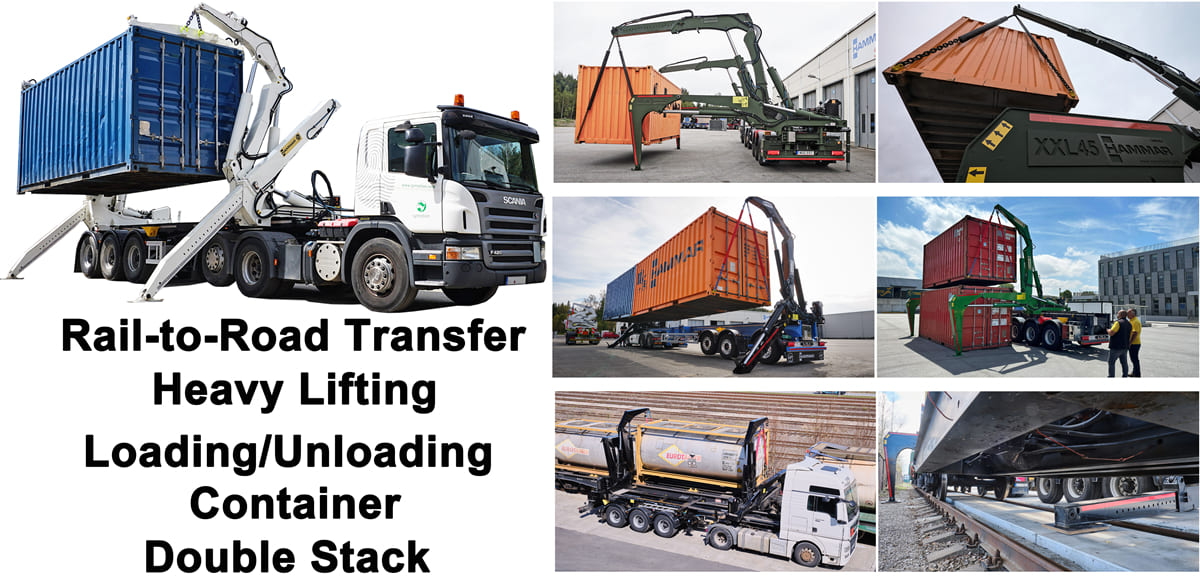 What Is a Hammar Side Loader Trailer and How Does It Work?
The best choice between Hammar 195S and Hammar 110 depends on the verified specifications of the exact model, the container weights you need to handle, and the working conditions in Guyana. Buyers should compare official lifting information and complete equipment configurations rather than selecting a model based on its name, assumed capacity, or purchase price alone.
When researching Hammar 195S and Hammar 110, customers are usually trying to identify a side loader that fits their daily container-handling requirements. Some businesses prioritize lifting capability, while others focus on vehicle compatibility, operating flexibility, maintenance, or investment cost.
The first step is to obtain the technical documentation for each model being considered. Model names may refer to specific equipment generations or configurations, and the specifications of an individual unit should be confirmed directly with the manufacturer or supplier. Without verified documentation, it would be misleading to state that one model has a particular lifting capacity, is always more powerful, or is necessarily better suited to a specific container.
Understanding Hammar 195S
Businesses searching for Hammar 195S should evaluate the particular unit's documented lifting capacity, operating envelope, configuration, and intended applications. The important question is whether the equipment can perform the required lifts under the conditions expected at the customer's operating locations.
For example, a logistics company transporting standard shipping containers may have different requirements from a contractor delivering heavy machinery in containers to a construction project. Both businesses need to confirm that the selected side loader can safely handle the actual gross container weight and operate within its permitted lifting geometry.
A buyer should also examine the chassis arrangement, hydraulic components, controls, container engagement system, and maintenance history where applicable. If the equipment is used, the condition of these systems may have a substantial effect on its remaining service life and future operating costs.
For Guyana-based operations, Hammar 195S should be evaluated against the business's actual transport routes, expected container volume, ground conditions, and access to service support. The model should only be selected after the supplier confirms its suitability for the proposed operating conditions.
Understanding Hammar 110
Customers researching Hammar 110 should follow the same evidence-based selection process. The exact unit's specifications must establish which container weights and configurations it can handle and what operating limitations apply.
A smaller, simpler, or less expensive configuration is not automatically the most economical option. If it cannot accommodate the containers handled by the business, it may create additional transport arrangements or restrict future work. Conversely, paying for capabilities that the company rarely uses may increase the initial investment without producing sufficient operational value.
Buyers should therefore define the minimum lifting requirements before comparing quotations. This includes the heaviest container expected, the typical container weight, the frequency of lifting operations, and whether the equipment will work mainly at established depots or at customer locations with varying ground conditions.
A complete quotation for Hammar 110 should identify the supplied equipment, its condition, the supporting documentation, the included accessories, the required towing vehicle or chassis arrangement, and any commissioning or training services. This makes it easier to compare the proposed solution with Hammar 195S and other available equipment.
Which Model Is Better for Guyana?
There is no universal answer because Guyanese businesses have different operating requirements. A high-volume container transport company may prioritize lifting performance and uptime, while a smaller contractor may place greater emphasis on investment cost and the ability to serve a defined range of projects.
A useful approach is to divide the decision into three questions. First, can the equipment safely handle the heaviest and most common containers in the planned operation? Second, can it operate at the intended delivery locations and connect with the available towing vehicle or chassis? Third, can the business maintain it economically over its expected service life?
For a company serving remote project locations, maintenance access and parts availability may be just as important as the original equipment price. For an operator working mainly at established facilities, operating speed, compatibility with existing vehicles, and container-handling frequency may carry more weight.
Businesses should also consider future demand. If container volumes are expected to grow, selecting equipment with sufficient verified capability and operational flexibility may be more economical than buying a unit that immediately limits the company's service offering.
Can Buyers Consider Alternatives to Hammar?
Yes. Buyers searching for a Hammar sideloader for sale can compare equipment from different suppliers, including alternative container side loader configurations, where suitable options are available. The objective should be to identify equipment that meets the same operational requirements, not simply to find a machine with a similar appearance.
When comparing alternatives, customers should examine lifting performance, equipment condition, hydraulic components, chassis design, container compatibility, safety documentation, spare parts, and warranty coverage. Differences in these areas can have a greater effect on long-term value than the brand name alone.
A supplier should provide a clear explanation of the equipment's capabilities and limitations. If the machine is not manufactured by Hammar, its branding and specifications should be represented accurately. Customers should not assume that an alternative side loader has the same technology, lifting capacity, or operating characteristics as a Hammar model.
For Guyana businesses, an independent comparison can help determine whether a genuine Hammar unit, a different configuration, or another suitable manufacturer offers the best combination of capability, cost, and support.
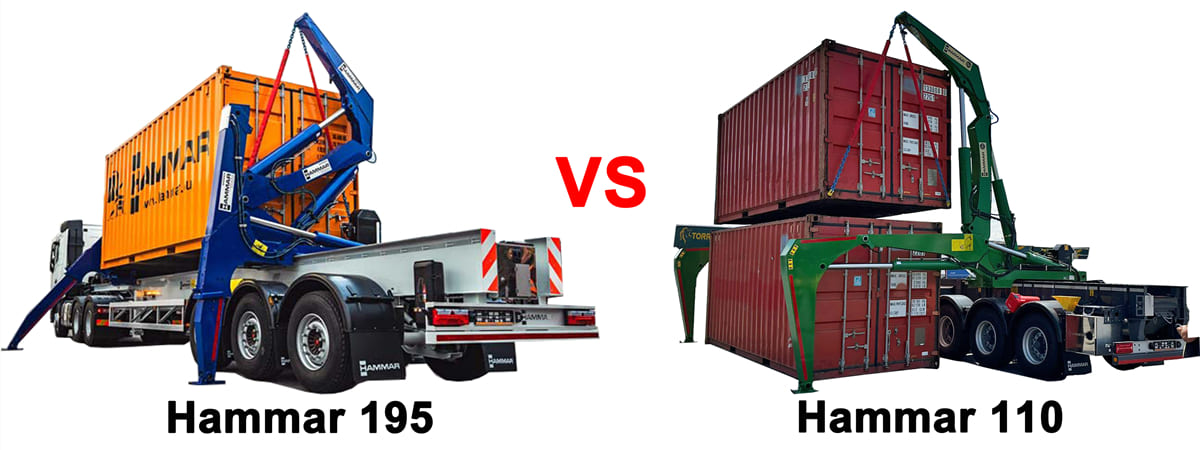 Hammar 195S vs. Hammar 110: Which Side Loader Suits Your Needs?
The Hammar side loader price depends on the exact model, equipment condition, lifting configuration, chassis requirements, shipping arrangements, and after-sales support.
There is no single price that applies to every Hammar side loader. A used unit with an established maintenance history, a different model configuration, and a complete lifting system may have a very different value from a newer machine supplied with additional equipment or services.
Likewise, the price of the lifting equipment alone may not represent the cost of putting a working vehicle into service. Buyers need to establish whether the quotation includes a compatible chassis or towing arrangement, installation work, necessary accessories, inspection, operator training, and delivery to the required destination.
For companies comparing a Hammar side loader for sale with alternative container-handling equipment, a standardized quotation is the most reliable starting point.
Main Factors Affecting Hammar Side Loader Price
The model and technical configuration are important because they determine what the equipment can do. Differences in approved lifting capacity, operating geometry, hydraulic systems, controls, and supported container arrangements may affect both purchase cost and operating suitability.
The chassis and vehicle arrangement also influence the overall investment. Depending on the proposed equipment, the buyer may need a suitable tractor unit, a specialized trailer configuration, additional installation work, or modifications approved by the equipment manufacturer. These items should be identified clearly in the quotation.
Shipping and destination-related expenses can further affect the final cost in Guyana. International freight, cargo preparation, marine insurance, port handling, customs procedures, applicable duties and taxes, inland transportation, and commissioning may all need to be considered. Their applicability and amounts depend on the transaction and import arrangements.
How to Get an Accurate Hammar Side Loader Price in Guyana
The most effective way to obtain a meaningful price is to send suppliers a concise specification and operating brief. This should describe the intended container types, maximum gross container weight, expected lifting frequency, operating locations, vehicle arrangement, and whether new or used equipment is acceptable.
Buyers should also specify their preferred delivery location in Guyana and ask for the quotation to separate the equipment price from shipping and other charges. If they are comparing Hammar 195S and Hammar 110, they should request quotations based on verified configurations rather than model names alone.
A complete quotation should state the machine's condition, the included equipment, applicable warranty terms, estimated delivery arrangements, available technical documentation, and the proposed after-sales support. For used equipment, the quotation should identify known defects and any refurbishment work included before delivery.
Finally, compare the expected cost of ownership. This includes routine maintenance, inspections, replacement parts, fuel or power requirements where applicable, operator training, and the potential cost of downtime. The right purchase is the one that satisfies the business's requirements at a sustainable total cost.
A suitable Hammar sideloader can help Guyana businesses combine container transportation with controlled loading and unloading, but its value depends on verified lifting capability, site compatibility, and dependable maintenance support. Buyers looking for a Hammar sideloader for sale should assess the features that affect actual daily operations rather than treating every side loader as interchangeable.
A container side loader is designed for a different job from a conventional container chassis. Its integrated lifting system can enable a vehicle to collect or deliver containers at suitable locations without depending entirely on a separate crane. This can be useful for logistics companies and industrial businesses whose delivery points vary.
The equipment must still be operated within its approved limits. A side loader does not eliminate the need for suitable ground, safe working space, trained personnel, or appropriate container securing during transport. Its lifting capability must be assessed using the actual container weight and the manufacturer's permitted operating conditions.
Applications in Guyana's Logistics and Transport Sector
Container logistics is a natural application for side loaders. A transport provider may need to move containers from a port or depot to a warehouse, customer facility, or temporary storage location. Where suitable handling equipment is not available at the destination, a side loader may provide an integrated way to complete the delivery.
The business case is particularly relevant when the company regularly handles containers at multiple locations. Instead of arranging separate lifting equipment for each delivery, the operator can evaluate whether a side loader improves scheduling, reduces coordination requirements, or enables additional customer services.
However, the benefit depends on the delivery profile. If all containers are handled at facilities with readily available cranes or reach stackers, the additional lifting system may not deliver sufficient value. Buyers should estimate the number of lifts performed each week and compare the current cost and time involved in arranging external handling.
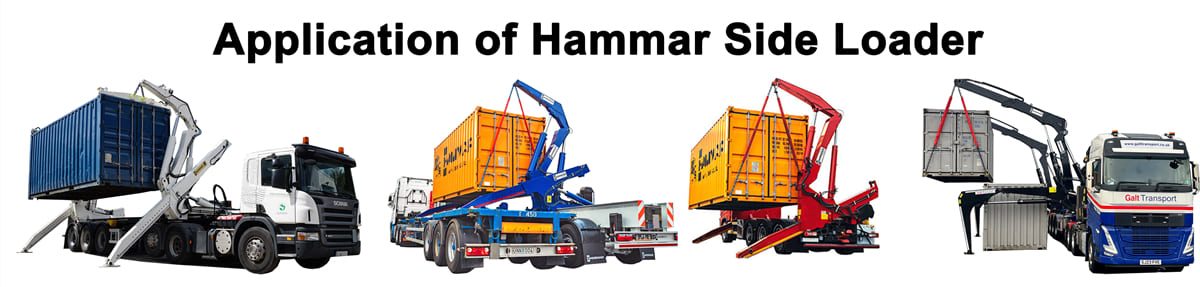 Hammar Side Loader Price: What Factors Affect the Cost?
Choosing the right Hammar container side loader starts with defining the containers you handle, the locations where you operate, and the total cost your business can support. Guyana buyers should evaluate technical suitability, vehicle compatibility, supplier reliability, maintenance access, and import arrangements before committing to a purchase.
A side loader is a specialized investment, so the decision should be based on the complete operating requirement rather than the lowest advertised price. The right machine should handle the intended containers within its approved limits, fit the business's delivery routes, and remain supportable throughout its working life.
The purchasing process becomes more straightforward when buyers document their requirements before requesting quotations. This also helps suppliers recommend equipment that is genuinely suitable rather than offering a generic configuration that may not fit the application.
Step 1: Define Your Container Handling Requirements
Begin by identifying the container types used by the business. Record the typical container dimensions, the maximum gross weight, the expected weight distribution, and how often containers need to be lifted. If the business handles multiple container types, identify the most demanding regular operation rather than considering only the average load.
Next, identify where loading and unloading will take place. A business operating mainly at established depots may have different requirements from a contractor delivering containers to remote construction sites. Access width, ground conditions, available working space, and the distance to maintenance facilities should all be considered.
These details will help determine the required lifting capability and operational flexibility. They also allow suppliers to confirm whether Hammar 195S, Hammar 110, or another suitable side loader configuration can meet the intended application.
Step 2: Verify Technical Specifications and Equipment Condition
Once the operating requirements are clear, request official specifications for the equipment under consideration. Confirm the rated lifting capacity, permitted operating range, compatible containers, chassis configuration, hydraulic system, control arrangements, and relevant safety documentation.
Do not rely solely on a product name or a general capacity figure. The lifting capability of specialized equipment must be interpreted in the context of its configuration and approved operating conditions.
For used machines, ask for the serial number where applicable, service records, inspection documentation, details of previous repairs, and information about component replacements. A qualified inspection can help identify wear, damage, unauthorized modifications, or maintenance needs before purchase.
Buyers should also establish whether the quoted unit is complete and operational. Missing components or unclear documentation may introduce additional costs and delay commissioning.
Step 3: Evaluate Supplier Reliability and After-Sales Support
A supplier's responsibilities should not end when the equipment leaves the factory or warehouse. Buyers should evaluate whether the supplier can provide operating manuals, maintenance information, spare parts, technical assistance, and warranty support appropriate to the equipment.
For a company operating in Guyana, overseas support arrangements deserve particular attention. Ask which components are available for shipment, how technical problems are handled, and whether remote troubleshooting or qualified service assistance can be arranged.
The warranty should be reviewed carefully. Confirm the duration, covered components, exclusions, claim procedures, and any requirements for approved maintenance or authorized servicing. Warranty terms should be documented rather than based on informal promises.
For used equipment, the buyer should understand whether any warranty is included and what support the seller can reasonably provide. A transparent supplier that explains limitations may be a safer choice than one making broad claims without supporting documentation.
Step 4: Calculate the Total Cost of Ownership
The initial purchase price is only one part of the investment. Businesses should estimate shipping, insurance, import-related charges, commissioning, operator training, routine servicing, replacement parts, and the cost of potential downtime.
Maintenance expenses can vary according to the machine's condition, operating hours, environment, and service history. A used side loader with a low initial price may require substantial refurbishment, while a more expensive machine with documented maintenance may provide a more predictable starting point.
Buyers should also consider utilization. If the equipment will perform frequent lifts and enable additional revenue-generating services, the investment may be easier to justify. If container-handling demand is occasional, renting or subcontracting lifting services may be more economical.
A simple financial model can compare the expected annual cost of owning a side loader with the existing cost of arranging separate handling equipment. The model should use realistic assumptions about container volumes, labor, maintenance, utilization, and downtime rather than relying on optimistic projections.
Step 5: Make the Final Decision Based on Business Value
The best side loader is the one that meets the required lifting and transport tasks safely, operates within the intended environment, and delivers acceptable long-term value. A high-capacity machine is not necessarily the right choice if its capabilities exceed the business's needs, while a cheaper unit is not a good investment if it cannot handle the required containers.
Guyana buyers should make their final decision after reviewing technical compliance, inspection findings, total delivered cost, maintenance arrangements, supplier support, and expected utilization. If several options meet the technical requirements, the comparison can then focus on lifecycle costs, delivery terms, and commercial value.
A documented selection process also makes it easier to explain the purchase internally, obtain management approval, and establish realistic expectations for operating costs and service availability.
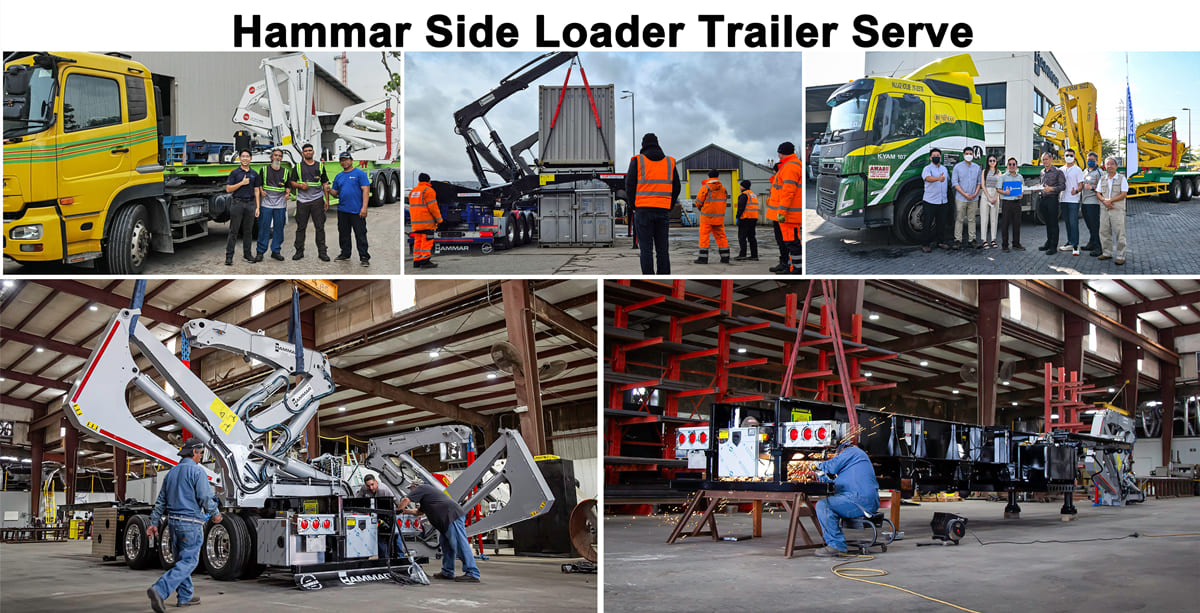 How to Choose a Hammar Container Side Loader for Your Business

Whatsapp: +8618615201301
Email: sideliftertrailer@gmail.com
Add: Shengjing Homeland ,14F , Building B , Bajianbao Rd, Lixia District, Jinan, Shandong, China, 250131
